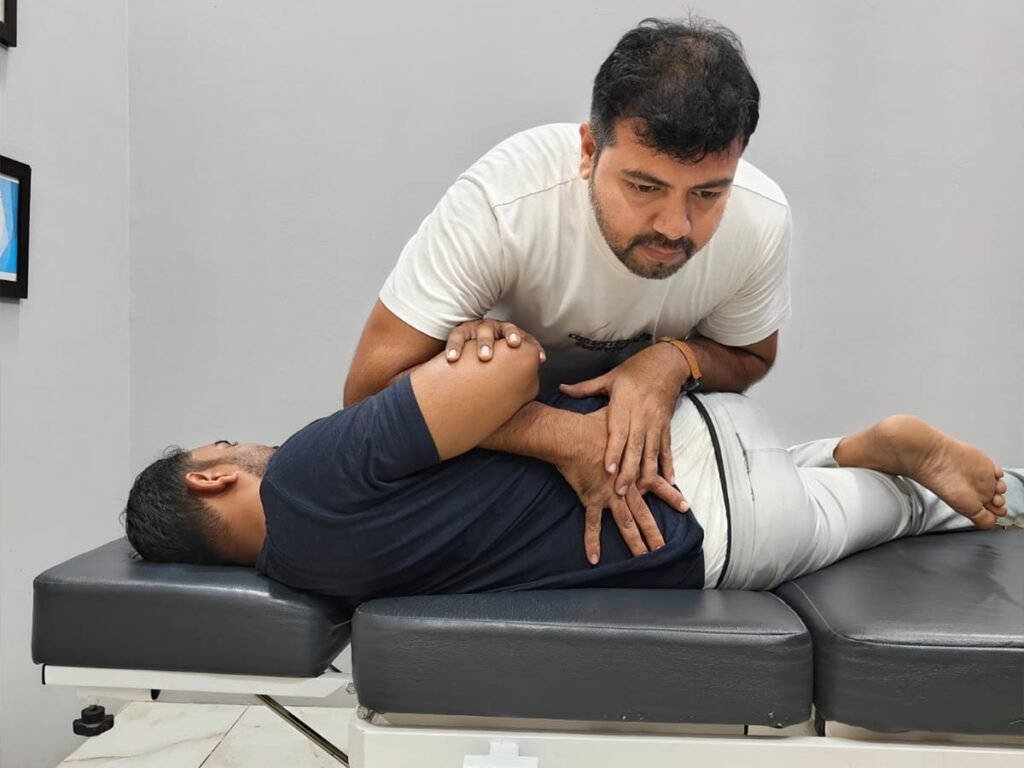
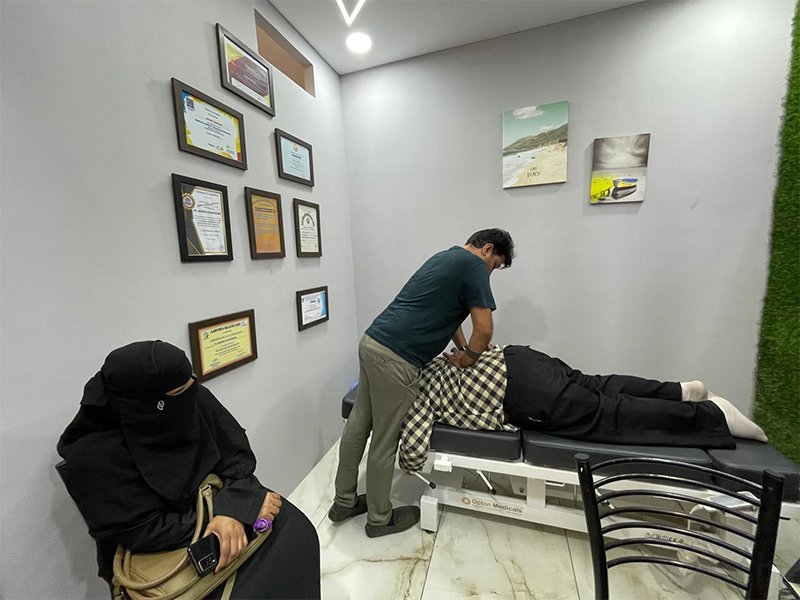
Hands-on, assessment-led techniques — including joint mobilisation and soft-tissue work — used to support movement and comfort as part of a personalised plan.
Manual therapy covers a range of skilled hands-on techniques, such as joint mobilisation and soft-tissue mobilisation, applied by a trained clinician to influence movement and comfort.
Why it may be considered
It may be considered for certain musculoskeletal presentations after assessment, typically alongside exercise and advice. Suitability is decided on an individual basis.
Common reasons people seek assessment
These are reasons to seek a professional assessment — not a promise that a specific treatment will suit everyone.
Joint stiffness limiting movement
Muscular tension or tightness
Mechanical neck or back discomfort
As part of a wider rehabilitation plan
How it generally works
After assessment, suitable techniques are applied to specific joints or tissues, usually combined with exercise and self-management advice. Your clinician explains what each technique involves and why it is being used.
What an appointment may involve
1
Discussion of your symptoms and history.
2
Assessment of movement and the affected area.
3
Explanation of whether manual therapy is suitable, and the alternatives.
4
Treatment where appropriate, with guidance and review.
Precautions & when further assessment is needed
Manual therapy is not suitable for everyone. Certain conditions (for example some bone, joint, nerve or circulatory conditions, or recent trauma) require medical review first, and some techniques may be avoided. We discuss alternatives where manual therapy is not advisable.