Knee pain can affect walking, stairs, kneeling and sport. We assess the knee and the way you move to build a rehabilitation plan that restores strength, control and confidence.
Knee pain can relate to the joint surfaces, soft tissues, tendons or movement mechanics, and is influenced by load, strength and activity.
Why it may be considered
Assessment identifies the likely contributors and stage, which guides a targeted rehabilitation programme rather than generic advice.
Common reasons people seek assessment
These are reasons to seek a professional assessment — not a promise that a specific treatment will suit everyone.
Pain with stairs, squatting or kneeling
Swelling or stiffness in the knee
Pain after sport or a change in activity
Knee pain related to osteoarthritis
Recovery after a knee injury or surgery
How it generally works
Rehabilitation usually focuses on progressive strengthening and movement control, supported by manual therapy, activity guidance and suitable modalities. Where appropriate and available, knee decompression may be discussed.
What an appointment may involve
1
Discussion of symptoms, activity and history.
2
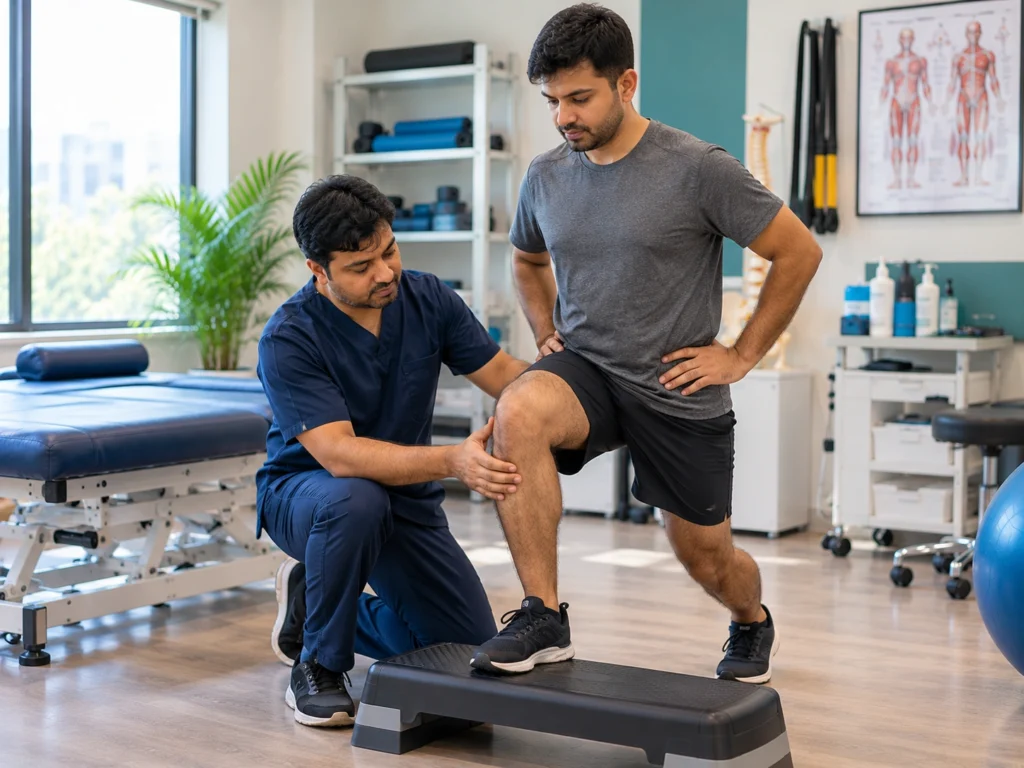
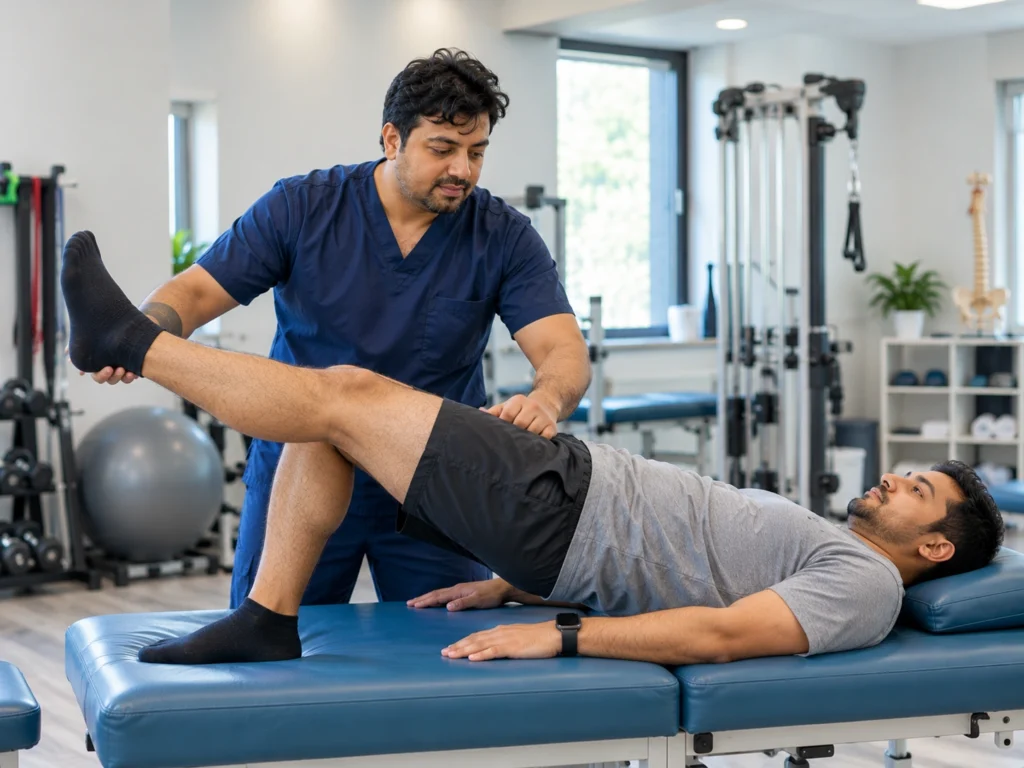
Assessment of knee movement, strength and gait.
3
A progressive rehabilitation plan.
4
Treatment, exercise and review.
Precautions & when further assessment is needed
Seek medical review for a knee that is hot, markedly swollen, locked, giving way, or painful after significant trauma. Some presentations benefit from imaging or specialist input, which we will advise on.